


Choose from new products
Choose from categories
Choose by brand
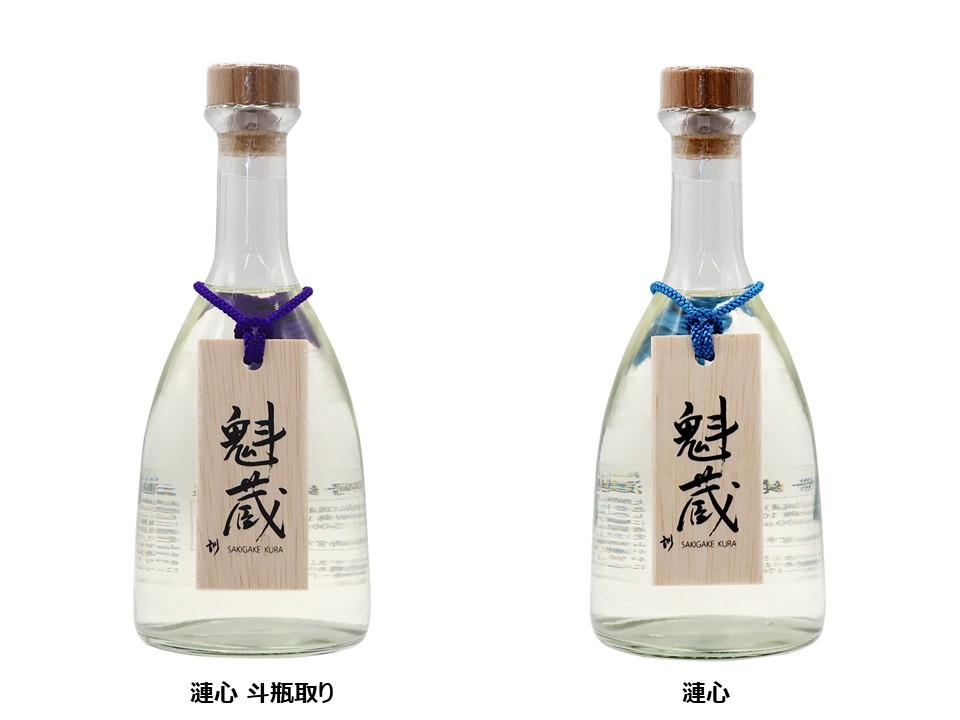
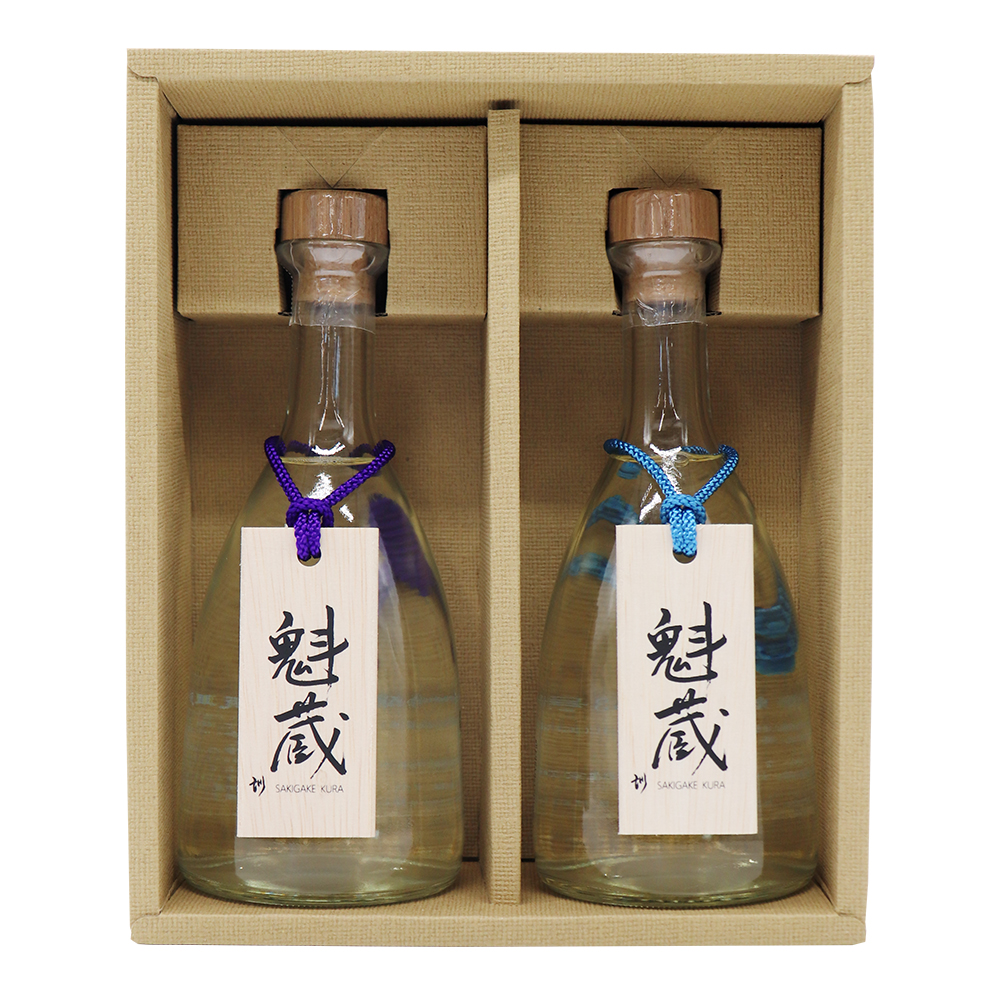
Kaizo Brewing No. 3 Renshin Junmai Daiginjo
Characteristics
The third sake in a series created by six Tanba sake brewers.
■ What is "Renshin"?
The product name "Renshin" (漣心) reflects our desire for the flavor and lingering aftertaste to spread through the heart like ripples on a calm water surface.
Aiming for a flavor that complements meals as well as being visually appealing, we have created a sake that you won't tire of drinking, with a focus on the harmony of aroma, sweetness, and umami. We use a difficult-to-manage foaming yeast in the brewing process and carefully brew the sake while monitoring the changes in the koji and mash. Furthermore, we offer two types of sake made from the same mash: "Renshin Tobindori," which has a delicate flavor, and "Renshin," which stands out for its umami. You can enjoy the different flavors of each, which have their own distinct characteristics despite being made from the same mash.
■Taste [Renshin Tobindori]
This is an unfiltered Junmai Daiginjo sake, made from the so-called "arabashiri," which is the initial runoff that flows out naturally during the pressing process, collected in a large bottle.
A pleasantly fruity aroma unfolds, accompanied by a clean, smooth mouthfeel with minimal off-flavors. While you can taste the rich umami derived from Yamada Nishiki rice, the overall flavor is characterized by its clear and smooth finish. The umami spreads gently across the tongue like waves, and the aftertaste is lightly finished with a refreshing acidity. Neither overly flamboyant nor overly sweet, this is a sake that can be enjoyed naturally with meals. Enjoy the transparency unique to the traditional bottling method and the soft umami that comes from being unfiltered.
*Because this product is unfiltered, sediment may be visible, but this does not affect the quality.
■Flavor [Renshin]
This Junmai Daiginjo sake is made by applying pressure and thoroughly pressing the rice to bring out its delicious flavor and pleasant acidity.
The aroma is mild, and upon tasting, a rich umami flavor derived from Yamada Nishiki rice spreads throughout the mouth. Compared to the Tobindori, it has more depth and strength in flavor, with a smooth mouthfeel and a harmonious balance of richness and moderate acidity. It creates a rich flavor that complements food well. It is not a sake that emphasizes flashiness, but it is a calm and composed sake in which you can feel the depth of umami with each sip. While the Tobindori has a clear and beautiful taste, this one allows you to fully enjoy the presence of umami and acidity.
■Master Brewer: Toshiaki Odawara
Since joining Ozeki in 50, Odawara Toji has been involved in sake brewing in Nada for over 50 years.
Since becoming the master brewer, he has received numerous awards, including a gold medal at the All Japan New Sake Appraisal Competition, and has been active both domestically and internationally, including providing guidance on sake brewing overseas. In sake brewing, he does not rely solely on numbers and theories, but values the experience and intuition to discern even the slightest changes in the koji and moromi. While remaining faithful to the basics, he is not bound by convention, sparing no effort to work with the koji, listening to the voice of the moromi, and carefully building up the deliciousness.
He is a master brewer who possesses both refined skills and a quiet playfulness, brewing sake based on his own experience and intuition, and who embodies both honesty and profound generosity.
For more details, please visit the Kaizo official website via the "Related Links" section.
*This is a limited quantity item.
Basic Information
| Part Number | Eur-lex.europa.eu eur-lex.europa.eu | container | Retail price (excluding tax) | JAN code |
|---|---|---|---|---|
| Kaizo Brewing No. 3 Renshin Tobindori / Renshin | 500ml | bottle | 6,000 yen (per large bottle) | 4901061 012055 |
| 500ml | bottle | 5,000 yen (Renshin) | 4901061 012048 |
| Category | Alcohol degree | Sake degree | acidity | Rice polishing ratio (%) |
|---|---|---|---|---|
| Junmai Daiginjo | 15% | -4 (Tobintori) / -3 (Renshin) | 1.8 | 40% |
| Place of origin |
|---|
| Rice (domestic), Koji rice (domestic) |